Living in Cumming means dealing with Georgia red clay almost everywhere you look. It sticks to boots, stains driveways, and turns rock hard when the sun bakes it for a few days. Around here, that clay also changes how termite treatments work. That is why working with an expert termite control specialist is important when protecting homes from hidden termite activity in North Georgia soil conditions.
We just finished a termite treatment near Lake Lanier last week, and the red clay around the home made the job very different from homes with softer soil. A lot of folks think termite protection is just spraying around the house and calling it done. The soil under and around your home plays a huge part in how well a treatment holds up over time.
At ALF Lawn & Pest Solutions, we spend a lot of time working through Georgia clay. Some days it feels like we are digging through brick. Still, knowing how this soil acts helps us protect homes the right way.
Why Does Georgia Red Clay Change Termite Treatments?
Georgia red clay is thick and packed tightly. Water moves through it slowly, and termite products can spread differently compared to sandy soil.
When we treat homes in Cumming, we pay close attention to how dry or wet the clay is before we start. Dry clay can crack and leave gaps underground. Wet clay can hold moisture for a long time. Both situations matter because termites love moisture and hidden entry points.
Clay density. Red clay packs tightly around foundations, which can slow down how liquid termite products move through the soil.
Moisture holding. Clay stays wet longer after rain, giving termites a better place to travel underground.
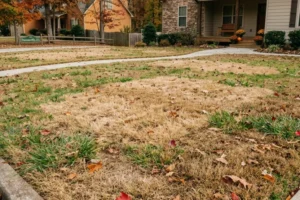
Cracking soil. During hot Georgia summers, dry clay can split open and create hidden termite paths.
We just installed a termite barrier for a homeowner whose soil had deep cracks beside the slab. Those cracks gave termites a straight path toward the home without being noticed.
How Do Termites Behave In Red Clay Soil?
Subterranean termites are the main termite problem in Cumming. These pests live underground and build mud tubes to stay damp while moving toward wood.
Red clay actually helps them in some ways. Since clay keeps moisture longer, termites can stay active close to the surface for longer periods.
After heavy rain, we often find termite activity around:
Foundation walls
Clay soil presses tightly against foundations and can trap moisture beside the home.
Porch steps
Wood near clay soil often stays damp longer after storms.
Crawl spaces
Poor drainage mixed with clay can create wet soil under homes.
A few months ago, we treated a crawl space where the clay underneath stayed wet almost year-round. The moisture helped termites stay active without the homeowner seeing any warning signs upstairs.
Does Red Clay Make Treatments Less Effective?
The biggest mistake happens when companies rush through the soil treatment without adjusting for clay conditions. Red clay needs careful trenching and proper product placement.
At ALF Lawn & Pest Solutions, we do not just spray and leave. We check soil condition, moisture level, drainage, and foundation type before we start.
Proper trench depth. Clay soil needs the correct trench size so the treatment reaches termite zones.
Even application. Thick clay can stop products from spreading evenly if applied too fast.
Foundation checks. Expansion joints and slab gaps need extra attention in clay-heavy areas.
We just did a treatment where the red clay around the back patio was packed so tightly that we needed special equipment to open the trench correctly. Taking extra time matters because termites only need one untreated spot.
What Happens During Dry Weather In Cumming?
Dry weather changes red clay fast. The soil shrinks and cracks as moisture leaves the ground. Those cracks can create hidden termite highways under homes.
Summer is usually when we see more clay separation around slabs and driveways. Homeowners may notice:
Gaps near foundations
Small openings between soil and concrete can appear after long, hot weeks.
Shifting soil
Clay expands and shrinks as moisture changes.
More termite movement
Termites may search for new moisture sources closer to homes.
One customer called us after seeing tiny dirt lines near their garage wall. The dry clay had cracked enough for termites to move upward through hidden spaces beside the slab.
How Do We Handle Red Clay During Treatment?
Every home is different, but red clay homes usually need a more careful process.
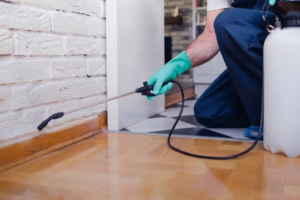
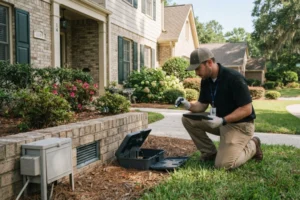
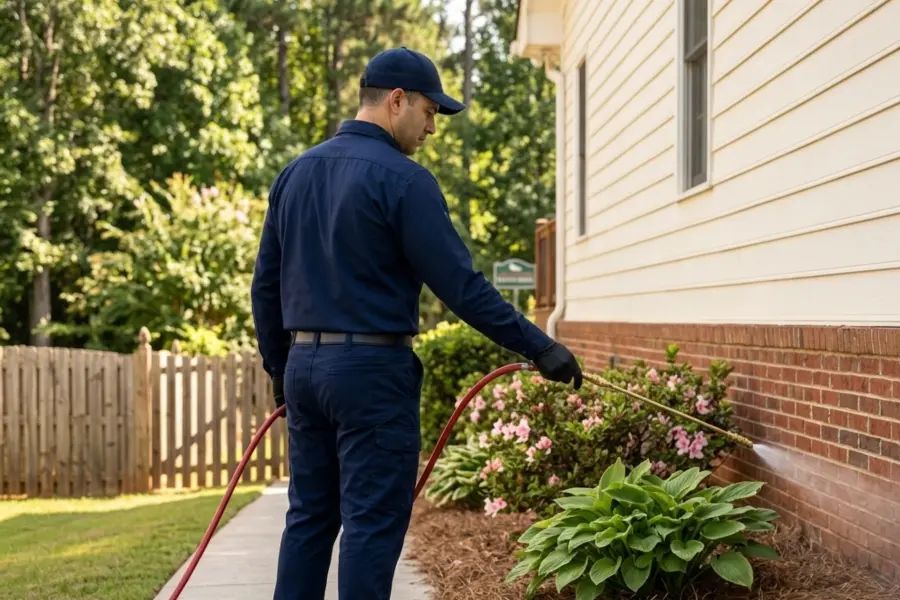
First, we inspect the soil and foundation carefully. Then we trench around the home where needed and apply products slowly so the treatment settles correctly into the clay.
We also look for drainage trouble spots because standing water near red clay can increase termite pressure.
Slow application methods
This helps the treatment soak into dense soil instead of running off.
Moisture checks
Wet clay areas may need extra monitoring after treatment.
Follow-up inspections
Clay movement through the seasons can change termite risk areas.
We just completed a retreatment for a home where new landscaping changed how water flowed around the property. That extra moisture near the clay created fresh termite activity beside the foundation.
The EPA termite prevention guidelines also recommend keeping soil around foundations dry through proper drainage and moisture control to help reduce termite risk.
How Can Homeowners Help Protect Their Home?
Good termite protection starts with keeping moisture under control.
Keep gutters clean, fix leaking outdoor faucets, and avoid stacking wood near the house. If water keeps pooling beside your foundation, the clay stays damp longer and gives termites a better environment.
It also helps to schedule regular termite inspections. Small signs are easy to miss until damage gets expensive.
Frequently Asked Questions About Termite Control
1. Does red clay attract termites?
Yes. Red clay holds moisture longer, and termites like damp soil areas near homes. Moist conditions help them travel underground safely.
2. Can termite treatment still work in red clay?
Yes. The treatment works well when the soil is handled correctly, and the product is applied properly. Clay just needs extra care during the process.
3. Should homes in Cumming get yearly termite inspections?
Yes. Georgia soil conditions change often through the seasons, and yearly inspections help catch termite activity early before damage spreads.
Why Regular Termite Checks Matter In Clay Soil
Georgia red clay changes through every season. Wet months, dry months, and shifting soil all affect termite activity around homes in Cumming. That is why we always tell homeowners not to wait until they see damage. By the time termites show up inside, they may have already been active underground for months.
Understanding common termite control Costs can also help homeowners prepare for early treatment before termite damage becomes more expensive to repair. At ALF Lawn & Pest Solutions, we work with these soil conditions every day. We know where termites like to hide and how to treat homes properly in North Georgia clay.
If you want your home checked for termite activity or need a treatment plan that works with Georgia red clay, call ALF Lawn & Pest Solutions today at (844) 369-8873. We are happy to take a look and help protect your home before termites settle in.