Mosquito season in Georgia can get rough fast. One week, the weather feels great, then suddenly the backyard is full of bites during the evening. Around North Atlanta and North Georgia, mosquito activity picks up when the temperature rises and rain leaves standing water behind.
At ALF Lawn & Pest Solutions, we just finished a mosquito control treatment at a residential property where the mosquitoes were coming from three small spots the homeowner never noticed. A clogged gutter, water under a deck, and a flower pot tray were helping hundreds of mosquito eggs hatch every week.
Many homeowners contact us for mosquito control services after discovering that hidden breeding areas around their property are responsible for ongoing mosquito problems.
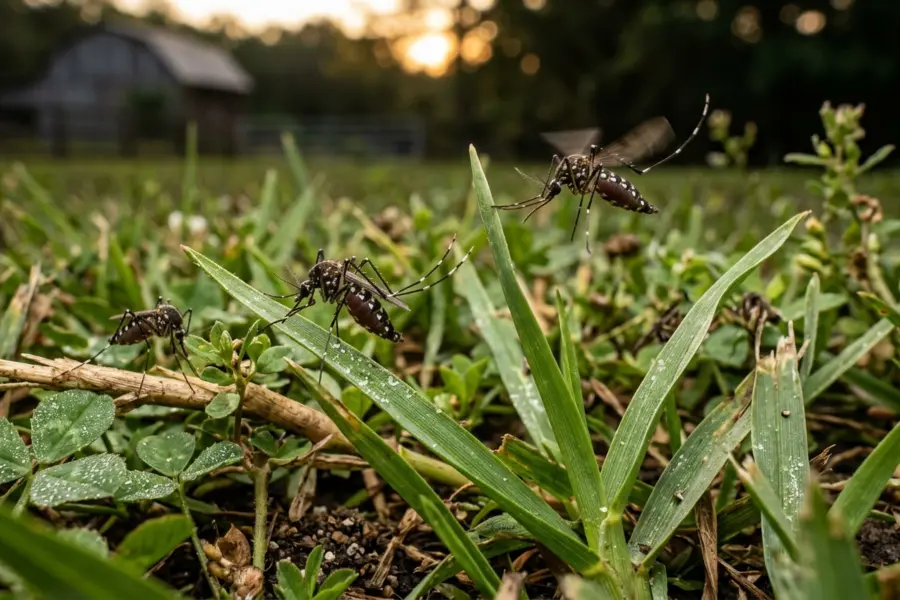
That happens a lot around North Georgia homes. Mosquitoes do not need a pond to breed. A tiny bit of standing water can turn into a mosquito breeding area fast. Adult mosquitoes look for cool outdoor spaces during the day, then come out in the evening looking for a bite.
This is where we usually find the biggest mosquito hotspots during our inspection visits.
Why Does Standing Water Cause So Many Mosquito Problems?
Standing water is the main reason mosquito populations grow in Georgia. Female mosquitoes lay eggs in water, and those eggs can hatch quickly during warm weather.
Bird baths can hold enough water for mosquito larvae to grow in less than a week.
Clogged gutters often trap leaves and water, creating a hidden mosquito breeding spot above the yard.
Kids’ toys and buckets collect rainwater and become easy places for insects to breed.
We just treated a property near Atlanta where a small wheelbarrow behind the porch was packed with mosquito larvae. The homeowner thought the bites were coming from nearby woods, but the problem was only a few feet away from the patio.
Mosquito control starts with removing water whenever possible. That simple step helps reduce mosquito activity before treatments even begin.
What Outdoor Areas Around The Yard Attract Mosquitoes?
Mosquitoes love shady and damp outdoor areas. During the day, they hide from the sun and wait for cooler evening temperatures.
Why Do Decks And Porches Hold Mosquitoes?
Decks and porches stay cooler than open parts of the yard. Moisture builds underneath them, especially after rain.
We just did mosquito control services in North Atlanta, where thick shade under a deck was holding adult mosquitoes all day long. After treatment, the family could finally sit outside without getting chased indoors by bugs.
Why Do Thick Plants And Bushes Become Hotspots?
Heavy plant growth traps moisture and blocks airflow. Mosquitoes rest there before flying out during the evening.
Low-hanging shrubs create cool hiding spots for mosquitoes and ticks.
Wet mulch areas can hold moisture for days after rain.
Overgrown corners give pests quiet places to hide near the backyard.
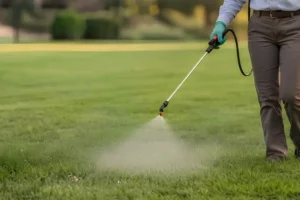
Good mosquito control treatments target these resting spots directly with proven mosquito spray solutions.
Can Mosquitoes Breed Near Patios And Outdoor Furniture?
Yes, and this surprises many Georgia residents.
Patio furniture, tarps, grills, and outdoor covers trap water after storms. Even folded chairs can collect enough water for mosquito eggs.
We recently installed mosquito prevention treatments around a patio where water kept collecting inside furniture covers. The family had pets and children playing outside, so they wanted a pet-friendly and family-safe solution that worked long term.
Why Are Fire Pits And Outdoor Items A Problem?
Mosquitoes hide under outdoor furniture during the heat of the day.
Fire pit covers collect rainwater and become mosquito breeding areas.
Plastic storage bins trap moisture and create dark hiding spots.
Outdoor toys often hold standing water after storms.
A strong mosquito control strategy targets both breeding spots and resting spots around the property.
How Do Trees And Wet Areas Increase Mosquito Activity?
North Georgia gets plenty of humidity, and mosquitoes love damp areas near trees.
Tree holes can fill with rainwater and become natural mosquito hatch zones. Wet grass and poor drainage also raise mosquito populations fast.
During one inspection, we found mosquitoes breeding inside a hollow stump near a backyard fence. The homeowner had already tried store-bought insecticide sprays, but the mosquitoes kept coming back because the source was hidden.
Why Does Shade Matter So Much?
Mosquitoes dry out in direct sunlight. Shade helps them survive longer during hot Georgia weather.
Wood lines near residential homes often hold mosquitoes and ticks.
Tall grass keeps moisture trapped close to the ground.
Drainage areas stay wet and support mosquito breeding through peak season.
Comprehensive pest control should focus on the whole property, not just one part of the yard.
What Happens During A Professional Mosquito Inspection?
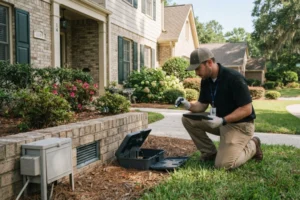
At ALF Lawn & Pest Solutions, every mosquito inspection starts with finding where mosquitoes breed and rest.
We check the backyard, porch, patio, deck, gutters, drainage spots, and outdoor space for standing water and insect activity. Then we target problem areas with effective mosquito control treatments designed for North Georgia homes.
Our technician also checks for tick activity because many shaded areas attract both pests at the same time.
Barrier spray treatments help eliminate adult mosquitoes around the property.
Larva control products stop mosquitoes before they emerge and spread.
Prevention plans help lower mosquito populations throughout the season.
The goal is simple. Protect your family and help create a more mosquito-free outdoor space.
How Can Homeowners Lower Mosquito Problems Between Treatments?
Homeowners can help by emptying standing water often and keeping the yard clean.
Keep gutters flowing well. Trim thick shrubs. Store outdoor items where rainwater cannot collect. Small changes help reduce mosquito breeding and lower pest activity around the home.
For additional mosquito prevention tips, homeowners can review the CDC Mosquito Control and Prevention Guide, which explains how standing water, outdoor conditions, and mosquito breeding sites contribute to mosquito populations around residential properties.
The Georgia Department of Public Health also warns that mosquitoes can spread disease, so prevention matters for both comfort and health.
Frequently Asked Questions About Mosquito Control
1. Can mosquitoes breed in very small amounts of water?
Yes. Mosquitoes can lay eggs in tiny amounts of standing water, such as in buckets, toys, or flower pot trays. The eggs can hatch quickly during warm Georgia weather.
2. Do professional mosquito control treatments really work?
Yes. Professional mosquito control services target both adult mosquitoes and mosquito larvae around the property. Treatments also help reduce future mosquito breeding.
3. Can mosquitoes stay active during cooler evenings?
Yes. Mosquito activity often becomes stronger during cooler evening hours. Mosquitoes prefer lower temperatures and shaded outdoor areas when searching for a bite.
Keep Mosquitoes Away For Good
Mosquitoes in North Georgia do not need much space to breed. A little standing water, shade, and warm temperatures can quickly turn a peaceful backyard into a mosquito hotspot.
At ALF Lawn & Pest Solutions, we just helped another North Atlanta family take back their outdoor space after months of heavy mosquito activity around their deck and patio. With the right inspection, treatment, and prevention strategy, mosquito problems can be controlled before they take over your yard.
If mosquitoes are ruining your evening outside, call us today at (844) 369-8873. Our mosquito control services in North Georgia help protect your family, pets, and children with comprehensive pest control solutions built for Georgia homes.