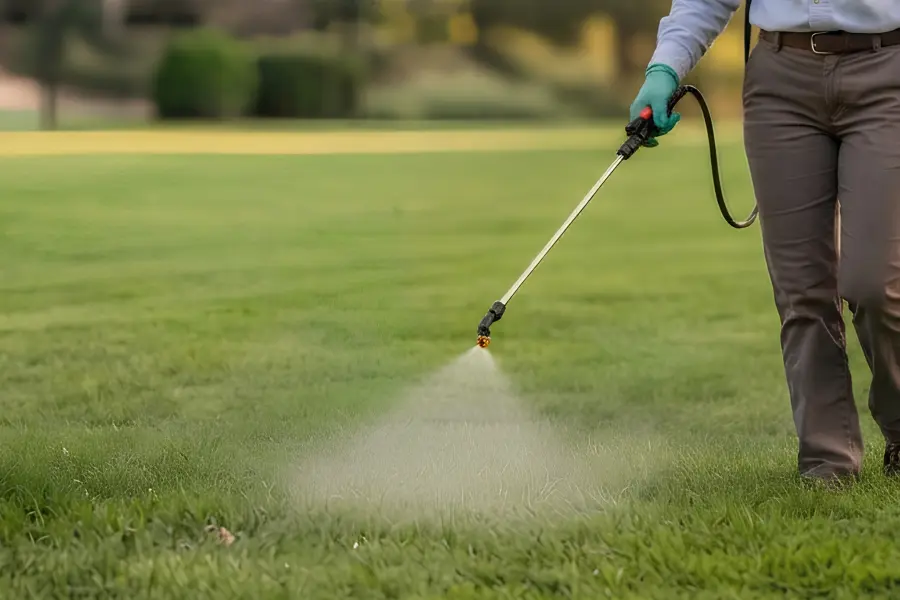
If armyworms are chewing through your lawn in Cumming, Georgia, the right chemical treatment can make it stop. The best choice depends on how large the armyworms are and how much damage they have already caused.
Here at ALF Lawn & Pest Solutions, we see this problem every year. One day the lawn looks green and healthy, and a few days later, brown patches seem to appear out of nowhere. Armyworms can move fast, eat fast, and make a homeowner wonder what happened to the grass.
Professional pest services can help identify armyworm activity early and choose a treatment based on the pest size, lawn condition, and level of damage.
For most serious armyworm problems, chlorantraniliprole is one of the strongest treatment choices, especially when the caterpillars are larger. Smaller armyworms can also respond well to products containing bifenthrin and other pyrethroids.
What Chemical Works Best On Armyworms?
Chlorantraniliprole for larger armyworms
When we find larger armyworms, chlorantraniliprole is often the product we look at first. UGA Extension lists it as a strong option once the caterpillars have grown larger.
Longer control
Chlorantraniliprole can provide longer-lasting control than some contact products, which can be helpful when the lawn has a heavy infestation.
Better timing
We want to treat before the worms reach their largest size because mature armyworms are harder to control.
Bifenthrin for smaller infestations
Bifenthrin is another option we may use when the situation fits the product label. It belongs to the pyrethroid group and can work well on smaller to medium armyworms.
We just treated a lawn with fresh feeding damage where the worms were still small. Catching them early gave us a much better chance to stop the feeding before the lawn lost more color.
How Do You Know Armyworms Are Damaging Your Lawn?
Armyworm damage can look a lot like drought stress at first. The grass may develop yellow or brown areas, but the pattern can spread quickly.
Look for the worms
Brown caterpillars: Armyworms are usually brown or greenish with stripes along their bodies.
White Y mark: A white upside-down Y shape behind the head is a useful sign when identifying fall armyworms.
Chewed grass: Look closely at the blades. Armyworms eat the grass leaves and can leave sections looking thin, ragged, or almost bare.
A simple soapy water test can also bring hidden caterpillars to the surface. UGA Extension recommends this method for checking turfgrass for armyworms.
When Should Armyworms Be Treated?
The sooner we find them, the better. Small armyworms are much easier to control than large ones.
Morning or evening checks
Armyworms often feed when conditions are cooler, and the sun is not as strong. When we inspect a lawn, we pay close attention to the grass canopy and areas showing fresh feeding.
Early treatment
Treating while the caterpillars are small can help prevent a much larger lawn problem.
Proper coverage
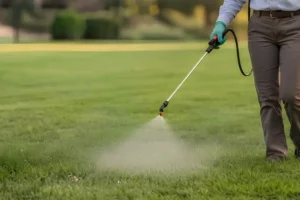
We apply treatments according to the product label so the active ingredient reaches the areas where the caterpillars are feeding.
Follow up
We check the lawn after treatment and watch for continued feeding or new activity.
Can Armyworm Damage Kill Your Grass?
Severe feeding can make a lawn look completely brown. The good news is that grass can often recover when armyworms are found and controlled early.
Bermudagrass is common around Cumming and can be vulnerable to fall armyworm feeding. Newly installed sod can also be at greater risk, so we pay close attention to fresh installations.
Is Chemical Treatment Safe For Families And Pets?
When the product is used according to its label and the required directions are followed. We select treatments based on the lawn, pest, timing, and product label, and we always recommend following all reentry instructions before people or pets return to the treated area.
Pesticide labels are not suggestions. They are the rules for using the product correctly. For extra help, follow these armyworm identification and control tips from UGA Extension before treating your lawn.
Frequently Asked Questions About Pest Services
1. Is chlorantraniliprole effective against armyworms?
Yes. UGA Extension identifies chlorantraniliprole as a strong option for larger fall armyworm caterpillars. It can also provide longer-lasting control than some other treatments.
2. Can armyworms damage a lawn in just a few days?
Yes. Armyworms feed heavily during their caterpillar stage and can cause serious turf damage when populations are high. Finding and treating them early can help reduce the damage.
3. Can my lawn recover after armyworm damage?
Yes. Grass can often recover after armyworms are controlled, especially when the roots and growing points remain healthy. Proper watering and normal lawn care can help the turf fill back in.
Take Action Before Armyworms Ruin Your Lawn
Armyworms can move across a Cumming lawn quickly, but early action can stop a small problem from becoming a major brown patch problem.
At ALF Lawn & Pest Solutions, we look for the pest first, check the size of the caterpillars, inspect the lawn damage, and choose the treatment that fits the situation. For larger armyworms, chlorantraniliprole can be a strong option. For smaller caterpillars, products such as bifenthrin may provide effective control when used according to the label.
If your lawn suddenly looks like something has been having a midnight buffet, give us a call at (844) 369-8873. We can inspect the damage, find the armyworms, and help get your Cumming lawn back on track.