Spring is when lawns in Gainesville start waking up again. The grass gets greener, weeds pop up fast, and everyone wants that clean, fresh yard look before summer shows up. Many professional lawn service contractors in Gainesville start seeing the same problem every spring as homeowners struggle with lawns affected by thick red clay soil. Around here, one thing always changes how well fertilizer works, and that is our thick red clay soil.
At ALF Lawn & Pest Solutions, we just finished several spring lawn treatments across Gainesville, and red clay came up in almost every yard. Some lawns held water too long. Others stayed hard like brick after a few sunny days. That red clay can either help your lawn or make fertilizing a headache if the timing is off.
Why Does Gainesville Have So Much Red Clay?
Red Clay Holds Water Longer
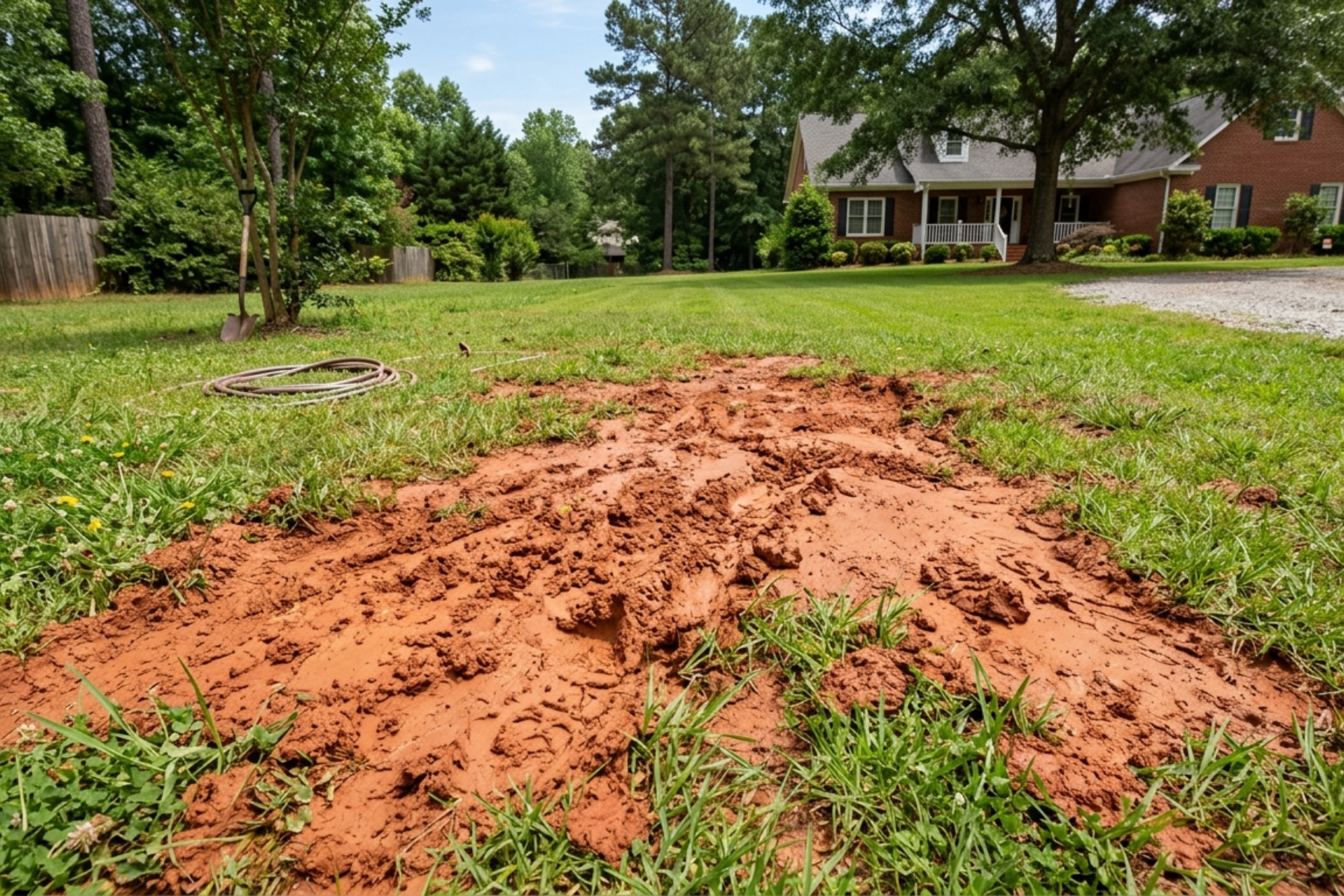
Red clay soil is packed tight. After heavy rain, water moves slowly through it. That means fertilizer can sit near the surface longer than expected. If too much fertilizer stays in one spot, grass roots may struggle instead of growing stronger.
Red Clay Gets Hard Fast
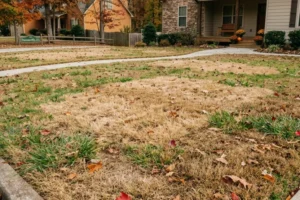
Once the sun comes out, clay soil can dry out and become very firm. We just treated a lawn last week where the ground felt almost like concrete after only three dry days. Hard soil makes it tough for nutrients to move down into the roots.
Red Clay Has Natural Nutrients
One nice thing about red clay is that it already contains some nutrients that grass likes. That helps support spring growth when fertilizer is added at the right time.
How Does Red Clay Change Spring Fertilizing?
Timing Matters More With Clay Soil
In Gainesville, applying fertilizer too early can cause problems. Clay soil stays cooler longer after winter. If fertilizer is spread before the grass fully wakes up, the nutrients may not be used well.
At ALF Lawn & Pest Solutions, we usually check soil warmth and grass growth before starting large spring treatments. That helps avoid wasted fertilizer and weak grass growth.
Heavy Rain Can Wash Fertilizer Away
Clay soil drains slowly, but strong spring storms can still move fertilizer across the yard before it soaks in. We have seen fertilizer streaks after heavy rain where nutrients washed downhill with runoff water.
Slow-release fertilizer helps lawns feed longer without washing away too quickly.
Watering lightly after treatment helps move nutrients into the soil without flooding the yard.
Aeration opens tight clay soil so roots can breathe and absorb nutrients better.
What Fertilizer Works Best In Gainesville Red Clay?
Slow-release fertilizer usually works better
Fast-release fertilizer can hit clay soil too hard. Grass may grow too quickly at first, then slow down fast. Slow-release products feed the lawn over time and help keep growth steady during spring.
We just handled a lawn that had patchy growth from strong fertilizer used too early. After switching to a balanced slow-release treatment, the lawn filled in much better over the next few weeks.
Nitrogen Helps Spring Growth
Nitrogen helps grass green up after winter. Still, too much nitrogen on red clay can stress the lawn if temperatures rise quickly.
Potassium Supports Strong Roots
Potassium helps grass handle heat and dry days later in the season. Healthy roots matter a lot in Gainesville because clay soil can become very hard during the summer.
Can Aeration Help Red Clay Soil?
Aeration Opens Tight Soil
Yes, aeration helps a lot. Clay soil gets compacted easily from rain, mowing, and foot traffic. Small holes in the lawn help air, water, and fertilizer move deeper into the soil.
We just completed aeration and fertilization for a Gainesville property where water used to sit in puddles every time it rained. After aeration, the lawn drained much better, and the grass started filling in faster.
Roots Grow Deeper After Aeration
Grassroots need space to grow. Tight clay limits root movement. Aeration gives roots room to spread and pull in nutrients more evenly.
What Lawn Problems Show Up In Red Clay Soil?
Thin Grass Areas
Nutrients may not spread evenly through packed clay. Some parts of the lawn may stay thin while others grow fast.
Standing Water
Poor drainage can leave wet spots after storms. Wet soil can weaken roots and attract lawn pests.
Weed Growth
Weak grass gives weeds more room to spread. Spring weeds love thin spots and bare soil.
Healthy thick grass helps block weeds before they take over the yard.
Proper mowing height keeps roots stronger during hot Gainesville weather.
Seasonal lawn treatments help balance nutrients through changing temperatures.
Should Fertilizer Plans Change Every Spring?
Weather Changes Every Year
Some springs are rainy while others turn warm very fast. Clay soil reacts each season differently. That is why cookie-cutter fertilizer plans do not always work well. The UGA Turfgrass Team provides Georgia-specific lawn care and fertilization guidance based on local soil and seasonal conditions.
At ALF Lawn & Pest Solutions, we adjust lawn treatments based on weather, soil conditions, and grass health. A lawn near heavy shade may need something very different from a lawn in full sun.
Frequently Asked Questions About Gainesville, GA Red Clay
1. Does red clay make fertilizing harder?
Yes. Red clay can hold water too long and become compacted fast. Good timing and proper products help fertilizer work better.
2. Can grass grow well in Gainesville red clay?
Yes. Grass can grow very well when the soil is treated correctly. Aeration, balanced fertilizer, and proper watering all help.
3. Should lawns in clay soil be aerated every year?
Yes. Annual aeration helps loosen packed soil and supports healthier roots. Many Gainesville lawns improve after regular aeration treatments.
Why Gainesville Homeowners Call ALF Lawn & Pest Solutions
Red clay lawns can be tricky, but they can still look thick and healthy with the right care. At ALF Lawn & Pest Solutions, we handle spring fertilization, aeration, weed control, and lawn treatments built for Gainesville soil conditions.
We just completed several spring lawn projects across the area, and the difference proper treatment makes is easy to spot. Many homeowners are surprised to learn that a few common lawn care mistakes during spring can quietly damage grass roots and reduce fertilizer results before summer even begins.
If your lawn struggles with hard soil, patchy grass, or poor spring growth, call us today at (844) 369-8873. We are ready to help your lawn grow stronger this season.