If your lawn looks thin, patchy, or just plain tired, you are not alone. Atlanta lawns take a beating from clay soil, summer heat, heavy rain, and everything in between. Many homeowners dealing with these issues often look into a reliable Atlanta lawn service to better understand what their lawn actually needs.
We work on lawns all across metro Atlanta every week, and the number one thing homeowners tell us is that they want a thicker, greener lawn without the guesswork.
At ALF Lawn & Pest Solutions, we have seen what works and what does not. This post talks about the treatments that actually make a difference for Georgia lawns.
Why Do Atlanta Lawns Struggle With Thickness and Color?
The Clay Soil Problem
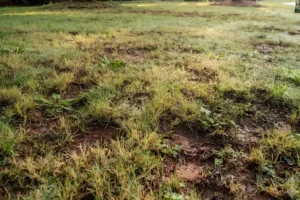
Atlanta sits on some of the heaviest clay soil in the Southeast. Clay soil compacts over time, which means water, air, and nutrients cannot reach the root zone as they need to. When roots cannot breathe, grass growth slows down, and your lawn starts to look thin and pale.
Soil compaction is one of the top reasons lawns in the Atlanta area stay patchy, no matter how much you water or mow.
Thatch buildup is another issue we see often. Thatch is the layer of dead grass and organic matter that builds up between the soil and the live grass blades. Too much thatch blocks nutrients from reaching the soil and creates drainage problems.
Heat, Humidity, and the Wrong Grass Type
Not every grass type does well here. Bermuda and zoysia love the Atlanta heat. Fescue lawn types do well in cooler months but need extra care during summer. When a homeowner plants the wrong grass or mixes types, the lawn looks uneven and weak.
What Is Core Aeration and Why Does Your Atlanta Lawn Need It?
Core aeration is one of the best things you can do for your lawn in spring and fall.
Core aeration is the process of pulling small plugs of soil out of the ground so air, water, and fertilizer can reach the root zone. It breaks up compaction and helps improve soil structure over time.
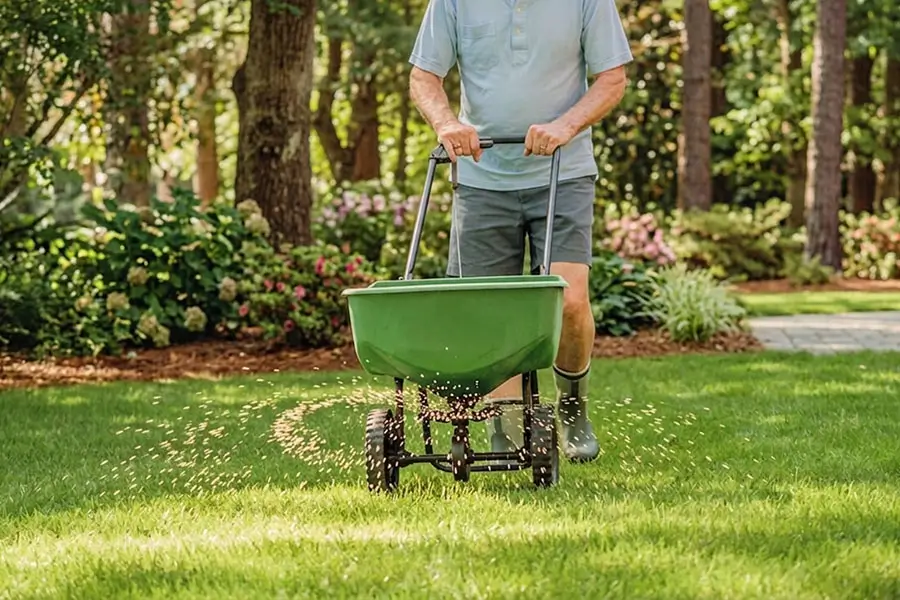
Aeration and overseeding work best as a pair. After we aerate, we spread new grass seed over the existing turf to fill in bare or patchy areas. This helps thin spots come back thick and full.
When Should You Aerate in Atlanta?
Bermuda and zoysia do best with aeration in late spring or early summer when they are in their growing season.
Fescue responds best to aeration and overseeding in the fall, usually between September and November in the Atlanta area.
How Does Fertilization Help Lawn Color and Thickness?
Grass needs nutrients to stay green and grow thick. If your lawn looks yellow or thin, there is a good chance the nutrient level in the soil is off. Fertilization puts back what the soil and your grass use up over time.
Fertilizer applications give your lawn the nitrogen, phosphorus, and potassium it needs to push out strong, green growth.
A lawn care service program with scheduled fertilization and weed control keeps your lawn fed throughout the year instead of just once in a while. We run full seasonal care programs for homeowners in the Atlanta area who want to stop guessing and start seeing real results.
Does Weed Control Help Grass Grow Thicker?
Yes. Weeds steal water, nutrients, and sunlight from your grass. Crabgrass is one of the most common problems we deal with on Georgia lawns. If crabgrass takes over, your existing turf has no room to spread or fill in.
Weed control services stop weeds before they crowd out your grass and create bare patches.
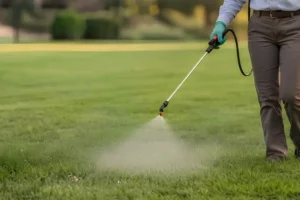
Pre-emergent treatments are applied early in the season to stop weed seeds from sprouting. Post-emergent treatments handle weeds that are already showing up in your lawn.
A healthy lawn with thick, strong grass naturally fights off weeds better over time.
What Is Compost Top Dressing and Should You Try It?
We just started offering a compost top dressing service for homeowners who want to improve soil quality without heavy chemicals. Top dressing puts a thin layer of compost over your lawn after aeration, helping nutrients to penetrate deeper and bringing life back to tired, worn-out soil.
Compost top dressing is a great way to improve soil and help your lawn recover from years of compaction, drought stress, or poor drainage.
Does Mosquito and Pest Control Affect Lawn Health?
Okay, mosquito control does not make your grass green, but it does make your outdoor space enjoyable enough that you actually want to spend time on it. And fire ant control is something every Atlanta homeowner should think about because fire ants damage grass and create mounds that disrupt root growth.
Mosquito control keeps your yard usable all summer long, so all that lawn work actually pays off.
Fire ant control protects your turf from the damage that comes with large fire ant colonies taking over.
Frequently Asked Questions About Atlanta Lawn Service
Can core aeration really help my Atlanta lawn get thicker?
Yes, core aeration breaks up clay soil compaction so water and nutrients can reach the root zone more easily. When paired with overseeding, it fills in patchy areas and helps new grass grow stronger.
Does fertilization help improve lawn color in Georgia?
Yes, the right fertilizer puts back nutrients that Georgia soil often lacks, which directly affects how green and thick your grass grows. A scheduled fertilization program keeps nutrient levels steady throughout the growing season.
Is weed control necessary for a healthy lawn in Atlanta?
Yes, weeds like crabgrass compete with your grass for water and nutrients, which slows grass growth and creates dead grass patches. Removing weeds through professional weed control services gives your turf the room it needs to thrive.
Give Your Atlanta Lawn the Care It Needs
A thick, greener lawn in Atlanta does not happen by accident. It takes the right treatments at the right time, starting with solving the soil and compaction issues that most Georgia lawns deal with. Core aeration, fertilization and weed control, overseeding, and a solid care program make the biggest difference.
At ALF Lawn & Pest Solutions, we work with homeowners all across metro Atlanta to build lawn care solutions that fit each lawn. From fescue to Bermuda to zoysia, every lawn is unique, and every lawn needs the right approach.
Ready to see what your lawn can look like? Contact ALF Lawn & Pest Solutions at (844) 369-8873 and get a quote today. We would love to help your lawn reach the thickness and color it deserves.