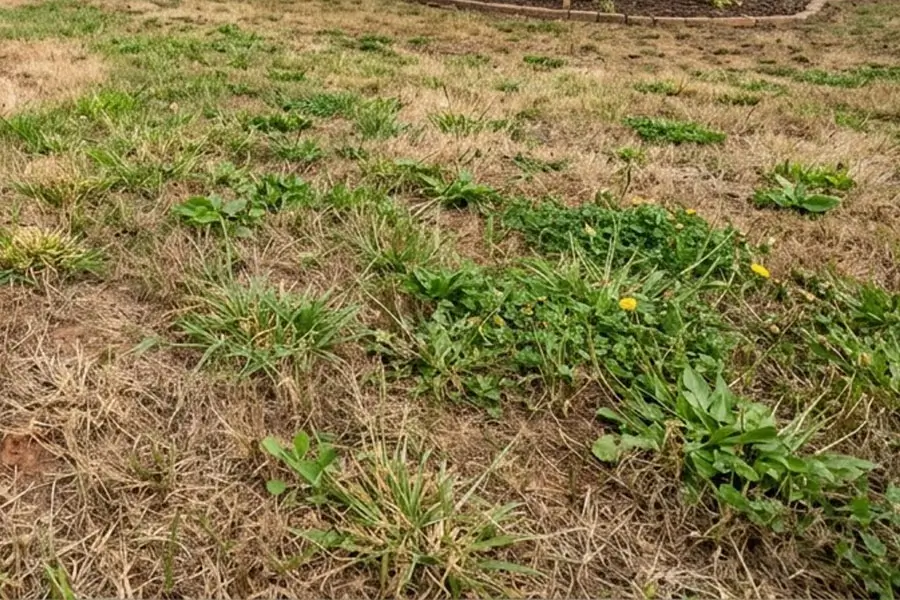
If you live in Dawsonville, you already know our summers are hot and humid. That kind of weather is tough on fescue lawns. Many homeowners rely on a professional lawn care contractor to help protect their turf during these conditions.
Tall fescue in Georgia is a cool-season turfgrass. It loves mild weather but struggles in summer heat. When daytime temperatures rise and we get periods of high humidity, that is when common lawn diseases in Georgia show up fast.
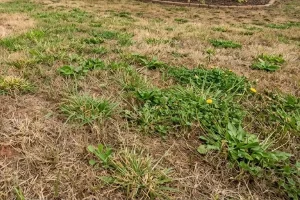
At ALF Lawn & Pest Solutions, we just treated a yard last week with brown patches spreading across the lawn. The homeowner thought it was dead grass from a lack of water. It was not. It was brown patch disease caused by Rhizoctonia solani. Once we started proper disease control and adjusted mowing and watering, the grass began to recover.
Let us talk about how lawn care helps protect your fescue grass and keep it healthy and vibrant.
Why Do Fescue Lawns Struggle in Dawsonville?
How does summer heat affect cool-season grass?
Tall fescue is a cool-season grass. That means it grows best in spring and late fall. It slows down in late spring and throughout the summer when it is hot and humid.
When grass grows more slowly, it cannot fight off fungi that cause common fungal problems. High humidity, warm nights, and heavy dew create the perfect place for a fungal disease to grow. That is when you see patches of discolored grass that turn brown fast.
Heat stress plus high humidity creates a common problem where turf becomes weak and open to turfgrass disease.
What Are the Most Common Lawn Diseases in Georgia?
What does brown patch disease look like?
Brown patch disease is one of the most common lawn diseases in Georgia. It causes brown patches that may have a light green or straw-colored ring around the edge. You may even see mycelium early in the morning, which looks like a white web on the grass blades.
This disease that affects cool-season grasses thrives in warm, wet weather. It causes brown areas that grow larger if left untreated.
What about dollar spot and leaf spot?
Dollar spot is another common lawn disease found in Georgia. It is caused by Sclerotinia homoeocarpa. It creates small spots about the size of a silver dollar. These patches of thin turf often look bleached or straw-colored.
Leaf spot and gray leaf spot cause small lesions on individual grass blades. Over time, affected grass blades thin out and patches of grass begin to show.
Fungi that cause these problems spread by spore movement from mowing, wind, and water.
Can fescue get a large patch?
Large patches affect warm-season grasses like zoysiagrass and zoysia. It does not usually hit fescue lawns the same way, but many yards in Dawsonville have mixed grasses in Georgia. If part of your turf is warm-season, a large patch affects warm-season grasses during cool, wet weather.
How Does Professional Lawn Care Reduce These Problems?
Proper mowing makes a big difference.
When we mow fescue lawns, we keep the height right for tall fescue. Cutting too short weakens the grass and exposes the soil. That can compact the ground and trap moisture.
Correct mowing height protects the grass blades and helps maintain a healthy root system.
We also keep mower blades sharp. Dull blades tear individual grass blades and create open wounds where fungus can enter.
Smart fertilization builds stronger turf.
Fertilization is not just about making the lawn green. It helps build thicker turfgrass that can fight disease. We time fertilizer treatments based on the University of Georgia recommendations for tall fescue in Georgia.
Too much fertilizer in the summer can feed fungus instead of healthy grass. We adjust the schedule so the lawn gets what it needs without pushing weak growth during summer heat.
Balanced fertilizer supports a healthy lawn without feeding fungal growth.
Targeted fungicide treatments stop disease early.
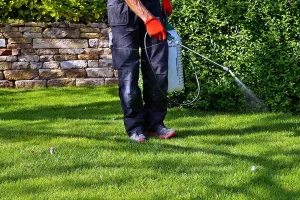
When we see early signs of brown patch disease, dollar spot, pythium blight, or other turfgrass diseases, we apply the right fungicide. Pythium blight is another fungal disease that thrives in warm, wet conditions and can cause water-soaked spots that spread fast.
Fungicide treatments protect healthy grass and help control brown patch before it causes major damage to turfgrass.
Early disease control prevents small spots from turning into large areas of dead grass.
Improving drainage reduces fungus risk.
Many common lawn diseases in Georgia thrive in wet soil. If your yard does not drain well, roots stay wet too long.
We often improve soil drainage by aerating compact soil. Aeration opens space for air and water movement.
Better drainage helps maintain a healthy root zone and lowers fungal pressure.
How Does Ongoing Lawn Care Keep Fescue Healthy and Green?
A lawn requires steady care, not just a quick fix. We look at the whole picture. Soil health. Watering habits. Mowing patterns. Pest control.
Warm-season grasses like zoysiagrass and cool-season fescue react differently to weather. Our job is to manage fescue lawns so they stay healthy even when it is hot and humid throughout the summer.
We just finished a treatment plan for a homeowner who had patches of thin turf and straw-colored spots every year. After adjusting fertilization, adding fungicide at the right time, and fixing drainage, his lawn next season stayed green with far fewer issues.
Some homeowners also notice unusual circular patterns in their lawns during humid weather, which can sometimes be related to fungal activity—something we explain further in our guide about why fairy rings start appearing in lawns and what they mean for turf health.
Ongoing care builds a thick green lawn that can handle stress better.
Frequently Asked Questions About Lawn Care Services
Can brown patch disease go away on its own?
No. Brown patch disease usually spreads during periods of high humidity and warm nights. Without fungicide and proper lawn care, it can cause more damage to turfgrass.
Does tall fescue need fungicide every year in Georgia?
Yes, in many cases. Because it affects cool-season grasses during hot and humid weather, preventive fungicides often protect fescue lawns from common lawn diseases.
Will fertilization alone fix patches of thin grass?
No. Fertilizer helps healthy grass grow stronger, but it does not kill fungus. Proper disease control and lawn care are needed to fix the root cause.
Ready for a Healthier Fescue Lawn?
Fescue grass can look beautiful in Dawsonville. It has a rich green color and feels great under your feet. But summer heat, high humidity, and common fungal problems can cause brown patches, leaf spot, and other common diseases.
At ALF Lawn & Pest Solutions, we treat fescue lawns with proven lawn care plans built for our local climate. From fertilization and disease control to pest control and mowing advice, we focus on keeping your turf healthy and vibrant.
If your grass is starting to turn brown or you see patches of discolored grass, let us take a look. Call ALF Lawn & Pest Solutions today at (844) 369-8873 and let us help you maintain a healthy lawn that looks great all season long.