If your lawn here in Dawsonville looks thin, pale, or patchy, weeds may be stealing more than space. In many lawn care Dawsonville yards we service, they compete for water, sunlight, and soil nutrients every single day. We see it all the time right here in Dawsonville—a yard can have good soil and still struggle because weeds are taking what the grass needs.
At ALF Lawn & Pest Solutions, we just treated a lawn where crabgrass had taken over half the front yard. After we cleared the weeds and followed up with proper fertilization, the grass started filling in within weeks. When weeds are gone, your grass finally gets a fair shot at food and water.
Let me explain how that works.
Do Weeds Steal Nutrients From Lawn Grass?
Weeds and grass both pull nutrients from the same soil. When weeds move in, they often grow faster and stronger than turfgrass. That means they grab nitrogen, phosphorus, and potassium before your grass can.
Root competition means weeds spread roots wide and deep, soaking up nutrients meant for your lawn.
A faster growth rate means weeds can outgrow grass and take more sunlight.
Aggressive spreading allows weeds to crowd out healthy turf.
In Dawsonville, we deal with warm-season grasses like Bermuda and fescue lawns that already work hard in our hot summers. Add weeds into that mix, and your grass is fighting with one hand tied behind its back.
When we remove weeds, we reduce that competition. Your grass doesn’t have to fight as hard for what’s already in the soil.
How Does Weed Control Help Grass Absorb More Nutrients?
When weeds are controlled, nutrients stay available for your turf.
Here’s what happens after we treat a lawn:
Less nutrient theft means fertilizer feeds the grass instead of unwanted plants.
Better sunlight exposure helps grass blades grow thicker and stronger.
Improved root growth allows turf to dig deeper for water and minerals.
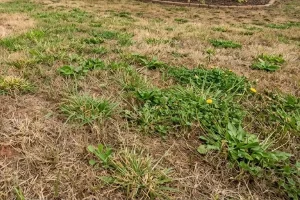
We just completed a weed control and fertilization service in a subdivision near Dawsonville Highway. Before treatment, the yard was thin and full of broadleaf weeds. After removing those weeds, the fertilizer worked the way it should. The grass began to green up evenly instead of in patches.
Weed control is not just about looks. It helps your lawn function the way it was designed to.
What Types of Weeds Cause the Most Trouble in Dawsonville, GA?
Certain weeds are especially rough on local lawns.
Crabgrass spreads fast in summer heat and crowds out Bermuda.
Dandelions have deep taproots that pull nutrients from deep soil levels.
Clover competes hard and spreads quickly in thin turf.
Chickweed thrives in cooler months and fills bare spots fast.
Our Georgia climate gives weeds a long growing season. That means they have more time to steal nutrients if left untreated.
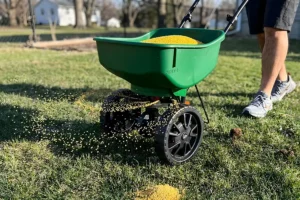
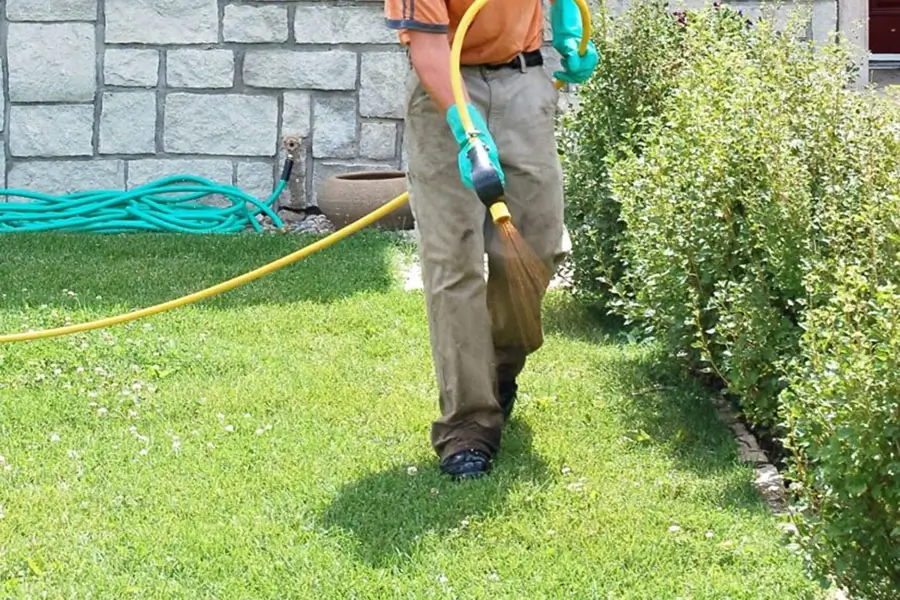
When we apply pre-emergent treatments, we stop many weeds before they even sprout. When needed, we use targeted post-emergent treatments to knock out active weeds without harming your grass.
Is Fertilizer Enough Without Weed Control?
Fertilizer alone is not enough if weeds are present. You can spread the best fertilizer on the market, but if weeds are thick, they will absorb much of it. That leaves your lawn underfed.
I’ve had homeowners tell me, “I fertilized, but nothing changed.” When we inspect the yard, weeds are usually the reason. Once we remove them and apply balanced nutrients, the grass responds much better.
Balanced feeding works best when weeds are controlled first.
Healthy turf density helps prevent new weeds from sprouting.
Consistent treatments keep competition low year-round.
It’s a system. Weed control and fertilization work together.
When Is the Best Time for Weed Control in Dawsonville?
Timing matters in North Georgia.
Pre-emergent treatments work best in early spring and fall. These stop weeds before they grow. Post-emergent treatments are used when weeds are already visible.
We follow a schedule built around Dawsonville’s soil temperatures and seasonal shifts. That way, treatments hit weeds at the right stage.
We just wrapped up a round of pre-emergent applications for several local homes. Doing it on time makes a big difference. Miss that window, and weeds get a head start.
Can Thick Grass Naturally Block Weeds?
Yes, thick grass makes it harder for weeds to grow.
When your lawn is dense and healthy, sunlight can’t reach the soil surface as easily. That stops many weed seeds from sprouting.
Dense turf cover shades the soil and blocks weed growth.
Strong root systems hold soil tightly and limit space for weeds.
Proper mowing height protects grass from stress.
That’s why weed control and feeding go hand in hand. Remove the weeds, feed the grass, and let it thicken up. Over time, your lawn becomes its own defense system.
Frequently Asked Questions About Lawn Care Weed Control.
Can weed control really improve lawn growth?
Yes. When weeds are removed, grass has more access to nutrients and water. That helps it grow thicker and healthier.
Will fertilizer work without removing weeds first?
No. Weeds can absorb much of the fertilizer before the grass does. Removing weeds first helps the fertilizer feed your lawn properly.
Is weed control safe for pets and kids?
Yes. We use treatments designed to be safe when applied correctly. Once dry, lawns are safe for normal activity.
A Weed-Free Lawn Feeds Better
Weed control does more than clean up the look of your yard. It gives your grass room to breathe, grow, and absorb nutrients properly. When weeds are gone, fertilizer works better, roots grow deeper, and grass gets thicker. That same principle shows up in our article on how commercial lawn care services improve property health and appearance, where strong turf starts with removing competition and building better soil conditions.
Here at ALF Lawn & Pest Solutions, we treat lawns across Dawsonville with a clear plan: stop the weeds, feed the grass, and keep it strong through every season. That’s how we build lawns that stay healthy, not just green for a week.
If your lawn looks tired or thin, let’s fix the real problem. Call ALF Lawn & Pest Solutions today at (844) 369-8873 and let’s get your grass the nutrients it deserves.